
New visa fee reimbursement scheme for UK scale-ups
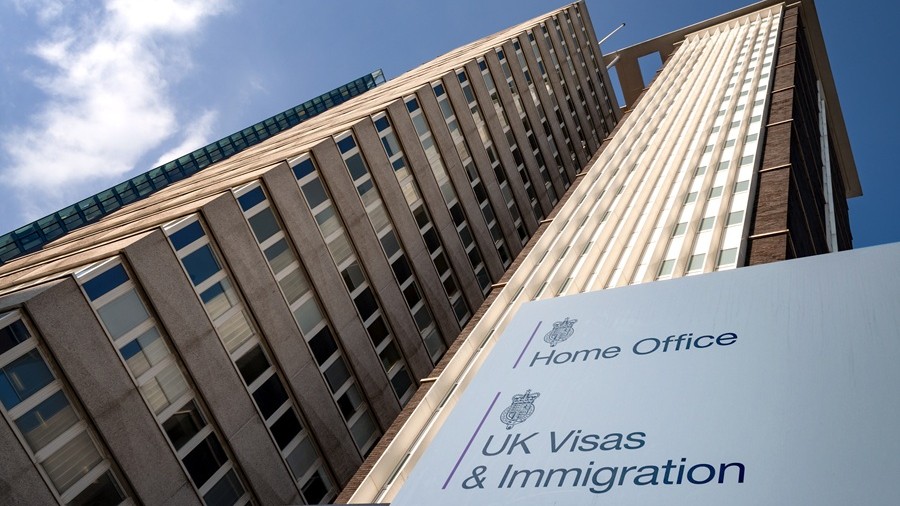
The UK Government has launched a new Visa Fees Reimbursement Scheme for Scale-Ups (VFRS4SU), aimed at reducing the cost of hiring international talent in key growth sectors. This is a…
READ MORE
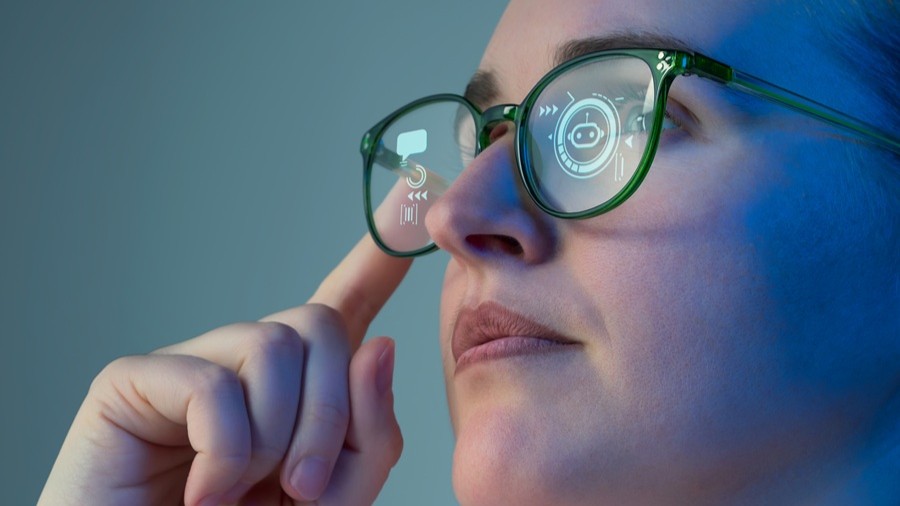
For years glasses which could secretly film others and perform facial recognition, cross-referencing individuals’ social media content were the preserve of James Bond and Ethan Hunt. No longer. The release of smart glasses by Meta and a number of other players in the AI market has changed the landscape and offered those of us with a more sedate lifestyle the chance to experience a little of the spy world.
With that, however, comes concern about privacy and how recordings made using the glasses will be shared with others. The issues raised by filming in public places is not new. Particularly, since the advent of the smart phone, filming unwitting (and in some cases, unwilling) members of the public has been relatively easy. While the incidental inclusion of members of the public in holiday snaps and Instagram moments raises few data protection issues, the targeted filming of others is quite another issue, particularly if that filming is covert.
Filming for purely personal purposes falls outwith the scope of UK GDPR, however, anything which goes beyond purely personal use is caught by GDPR, with the filming party being obliged to comply with data protection law, including the obligation to give effect to subject access and erasure requests.
Of course, establishing that filming is not for purely personal purposes may well be an uphill struggle in many cases, but concerns of corporate espionage also abound with processing in these situations likely to fall squarely within the scope of GDPR.
While filming in public, even entirely lawfully, is likely to involve a risk that unwilling participants will be included in footage, the general public is certainly not “fair game”. The UK Courts have consistently held that even those who regularly appear in public and are in the public eye are still entitled to a degree of privacy – just as JK Rowling or Naomi Campbell. Users of smart glasses should be cognisant of this when filming.
The planned integration of facial recognition software into AI glasses by Meta and others, will raise further questions about the use of personal data and it seems very likely that it will only be a matter of time before the Courts are asked to make a ruling on the limits of lawful use of smart glasses.


© 2026 BTO Solicitors LLP | V.A.T. No: 260371482 | All rights reserved.
Stay informed