

I Like Shiny Things but I’d Marry You with Paper Rings

It’s a big day if you are a Swiftie or a Family Lawyer and I happen to be both!

With the news of Taylor Swift and Travis Kelce getting engaged the internet is abuzz with chat about her Engagement Ring. It is one of the most common questions I get asked as a family lawyer – what happens to it if they split up? Who actually owns the engagement ring if you get divorced in Scotland?

Matrimonial Property – the Basics

When a married couple (or civil partners) separate in Scotland, one of the key issues is dividing what’s known as matrimonial property. Broadly, this covers all the assets acquired by either spouse during the marriage and before the date of separation.

This can include:

  • Homes purchased for use as the family home (even if bought before marriage).
  • Household goods and furniture bought for that home.
  • Assets purchased during the marriage from jointly or individually earned money.
  • Liabilities (such as debts) taken on during the marriage.

There are some exceptions: assets you inherited, or gifts you received from someone outside the marriage, are generally not considered matrimonial property.

So, where does an engagement ring fit into all this?

The 10-carrat Engagement Ring Question – Who Owns It?

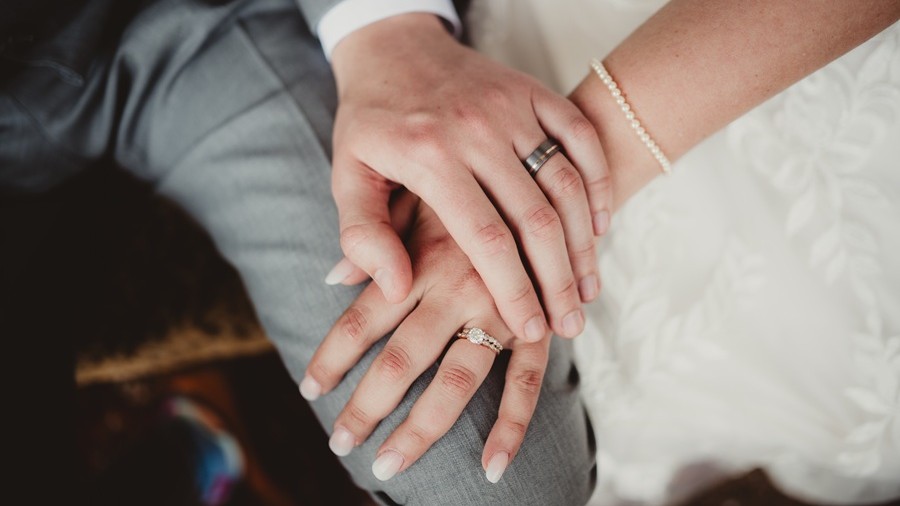
An engagement ring is a bit different from the furniture in the family home or the holiday flat in Spain. In Scotland, it is classed as a gift given before the marriage took place. And herein lies the crucial point- because it was given before the marriage, it does not count as matrimonial property. That means it usually belongs outright to the person who received it.

So, if you divorce in Scotland, the engagement ring is not automatically up for division in the financial settlement.

Are There Any Exceptions?

Yes – and they tend to come down to agreements or special circumstances:

  • Agreements to return the ring: If there was an explicit understanding that the ring should be returned if the marriage ended or if the wedding didn’t go ahead, that agreement may be enforceable. This will be enforceable if it was drafted into a valid pre-nuptial agreement.
  • Family heirlooms: If the engagement ring is a family piece (for example, a grandmother’s diamond ring), courts may take the view that it should be returned to the family it came from – particularly if there was a clear understanding about this at the time it was given. Without such an agreement, though, the law in Scotland treats the engagement ring as the personal property of the person who received it.
  • Replacement Rings: It is not uncommon for people to replace or upgrade engagement rings throughout their marriage. If you do so, the new ring is matrimonial property because it was bought and gifted between spouses during the period of the marriage.

So, while Taylor might sing about “paper rings,” the law in Scotland is pretty clear when it comes to diamond ones: an engagement ring given before the marriage is usually yours to keep. Unless there was a prior agreement or it’s a family heirloom expected to be returned, you don’t have to give it back when love’s story changes track. In other words, when it comes to breakups, you might lose the “Love Story,” but you’ll still get to keep the sparkle.

STAY INFORMED