

BTO announces senior promotions across the firm
BTO Solicitors LLP is delighted to announce a series of senior promotions across the firm, recognising the contribution and expertise of its people. The promotions take effect from 1 April…
READ MORE
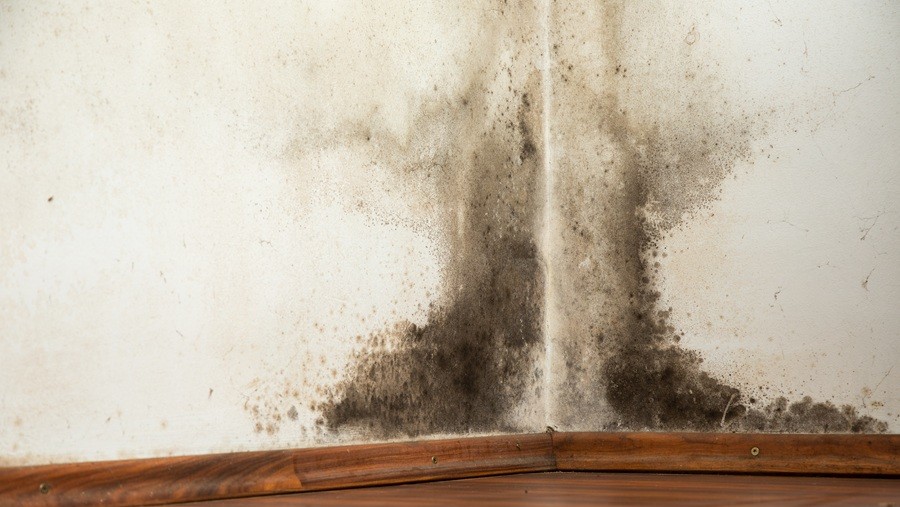
Sadly, all too often, seismic change occurs only after catastrophic events occur. This article focusses on one such highly preventable tragedy; the death of Awaab Ishak and the changes to health and safety legislation that are being made in the wake of Awaab’s death.
Awaab Ishak, a two-year-old boy, lived with his parents in a one-bedroom flat managed by Rochdale Boroughwide Housing (RBH) in Greater Manchester. From 2017, the family made repeated complaints about severe black mould, damp and inadequate ventilation in the property. Despite ongoing concerns, RBH were later criticised for not taking effective action to address the hazards.
In December 2020, after being seen and discharged from hospital, Awaab Ishak suffered worsening respiratory distress and died from a fatal respiratory condition which the medical team considered was due to prolonged exposure to mould in his family home.
Awaab’s tragic and utterly preventable death highlighted systemic failures in addressing damp and mould, sparking public outrage and calls for reform.
In response, the UK Government introduced “Awaab’s Law” in England, requiring landlords to act within defined timescales, far more swiftly, in relation to hazards. Scotland has now committed to adopting similar measures, ensuring tenants north of the border benefit from the same protections.
In November 2022, following an Inquest into his death, a Coroner ruled that timely action to treat and prevent the mould was not taken by RBH. The Coroner also identified that the family’s cultural practices had been wrongly and unfairly blamed as the supposed cause of the problem, rather than the property’s condition and ventilation defects.
In addition, the Social Housing Regulator established that RBH had serious, organisation-wide failings in how it managed damp and mould, going beyond the issues identified at Awaab Ishak’s Inquest.
The Social Housing (Regulation) Act 2023 added section 10A to the Landlord and Tenant Act 1985, creating the framework for hazard standards. Regulations under this power introduced Awaab’s Law, requiring landlords to address hazards and serious damp or mould within set timeframes in England and Wales.
Phase one began on 27 October 2025, covering emergency hazards and significant damp and mould. Landlords must act on property defects, disrepair, or poor maintenance. Emergency hazards—those posing immediate health or safety risks—must be fixed within 24 hours.
Significant damp and mould must be made safe urgently, though not within the 24‑hour limit.
Importantly, a significant hazard may become categorised as an emergency due to the vulnerability of the occupier. The landlord requires to consider the vulnerability of the occupier for example, young children, persons with disabilities and pregnant individuals who may be higher risk.
Landlords must fix emergency hazards within 24 hours.
For serious damp and mould, they must investigate within 10 working days, and complete safety works within 5 days. Investigations can be remote, but if tenants request an in‑person inspection, the 10‑day period restarts.
If the property cannot be made safe in time, landlords must provide free alternative accommodation until repairs are finished
Awaab’s Law applies only to social housing tenancies managed by councils and housing associations. It excludes shared ownership, homeless or supported housing, and licence-based arrangements.
Plans exist to extend the rules to private rentals, but not in the near future.
Landlords are not required to investigate hazards reported before 27 October 2025 unless re‑reported or circumstances change. Issues caused by tenants remain their responsibility, not the landlord’s.
Phase 2 is due to come into force in October 2026, which will relate to significant hazards relating to excessive cold, heat, falls, structural collapse, fire and electrical hazards and hygiene. Phase 3 is due to come into force in October 2027, which will relate to all other significant hazards, apart from hazards arising from overcrowding.
Although Awaab’s Law applies only in England, the Scottish Government has confirmed that from March 2026 it will bring Awaab’s Law into force across all rented accommodation (social and private) mirroring England’s phase implementation system.
Data from 2024–25 shows a 38% rise in damp and mould complaints in homes managed by one Scottish Council, with tenants lodging 2,429 complaints since 2022. The rise is attributed in part to greater awareness and encouragement for tenants to report issues.
Local Authorities are already implementing what they can to tackle the issues caused by Damp, Mould and Condensation. East Dumbartonshire Council, for example, has published a Damp, Mould and Condensation Management Policy to specifically exclude tenant blaming.
To meet the requirements of Awaab’s Law and the wider Social Housing Regulation Act, social housing organisations should consider implementing:
The BTO Regulatory Team can assist with advice in relation to ensuring compliance with the evolving requirements. We act on behalf of numerous Social Housing Associations and can assist with the training and implementation of measures, together with audits of risk assessments associated with damp and mould. In the event that a claim is made in respect of injuries caused by exposure our specialist Disease Team within our Personal Injury Team can provide advice. Get in contact today to discuss how we can help.



© 2026 BTO Solicitors LLP | V.A.T. No: 260371482 | All rights reserved.
Stay informed